
“I need a Mylar bag.”
It’s one of the most common requests in packaging—and most of the time, it’s not actually what people need. Not because they’re wrong, but because the term “Mylar” has become shorthand for something much broader than what it technically is.
The easiest way to understand this is with something familiar. People often say “Kleenex” when they mean facial tissue, regardless of the brand on the box. Over time, the brand name became interchangeable with the product itself. The same thing has happened with Mylar.
Mylar is actually a trade name for a type of polyester film. Because that material was used in many early barrier packaging structures, the name stuck. Today, when someone asks for Mylar bags, they’re usually not asking for polyester film specifically—they’re asking for a type of packaging that protects what’s inside.
What do you really need?
In most cases, what people really need is a type of barrier packaging.
Barrier packaging isn’t a single material. It’s a combination of multiple layers, each engineered to do a specific job. These layers are laminated together to create a structure that protects a product from external elements that could damage it over time.
Typically, those layers work together in different ways:
Some provide strength and durability
Some allow the package to seal properly
Others block oxygen, moisture vapor, light, or gases
That combination is what allows the package to preserve freshness, maintain quality, and extend shelf life.
Why the Right Material Matters
Different products require different types of protection, which is why there’s no one-size-fits-all solution.
A food product, for example, may need protection from oxygen to prevent spoilage. Dry goods like rice or powders need to stay protected from moisture. Some products need to contain aromas, while others must be shielded from light or environmental contaminants.
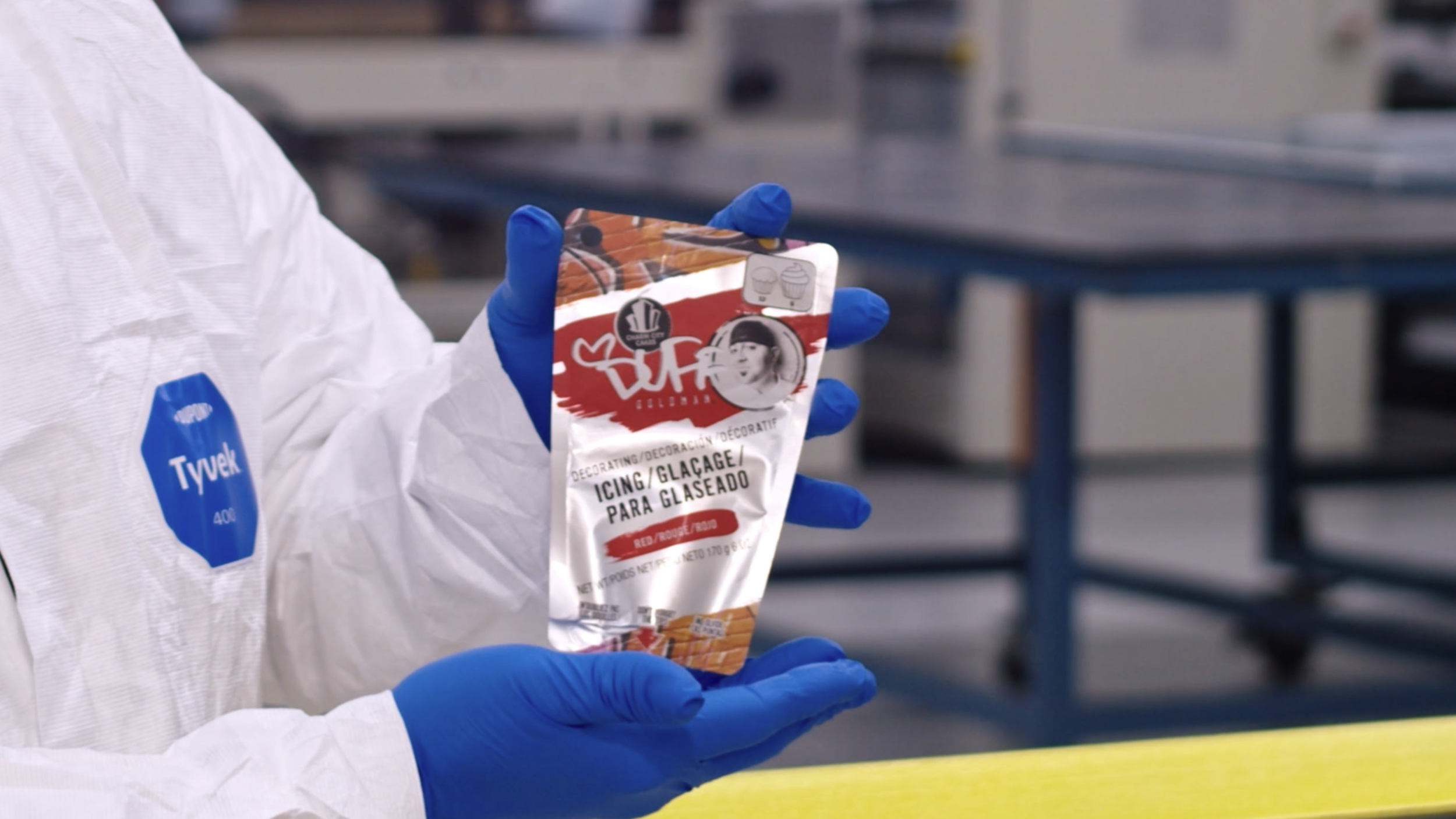
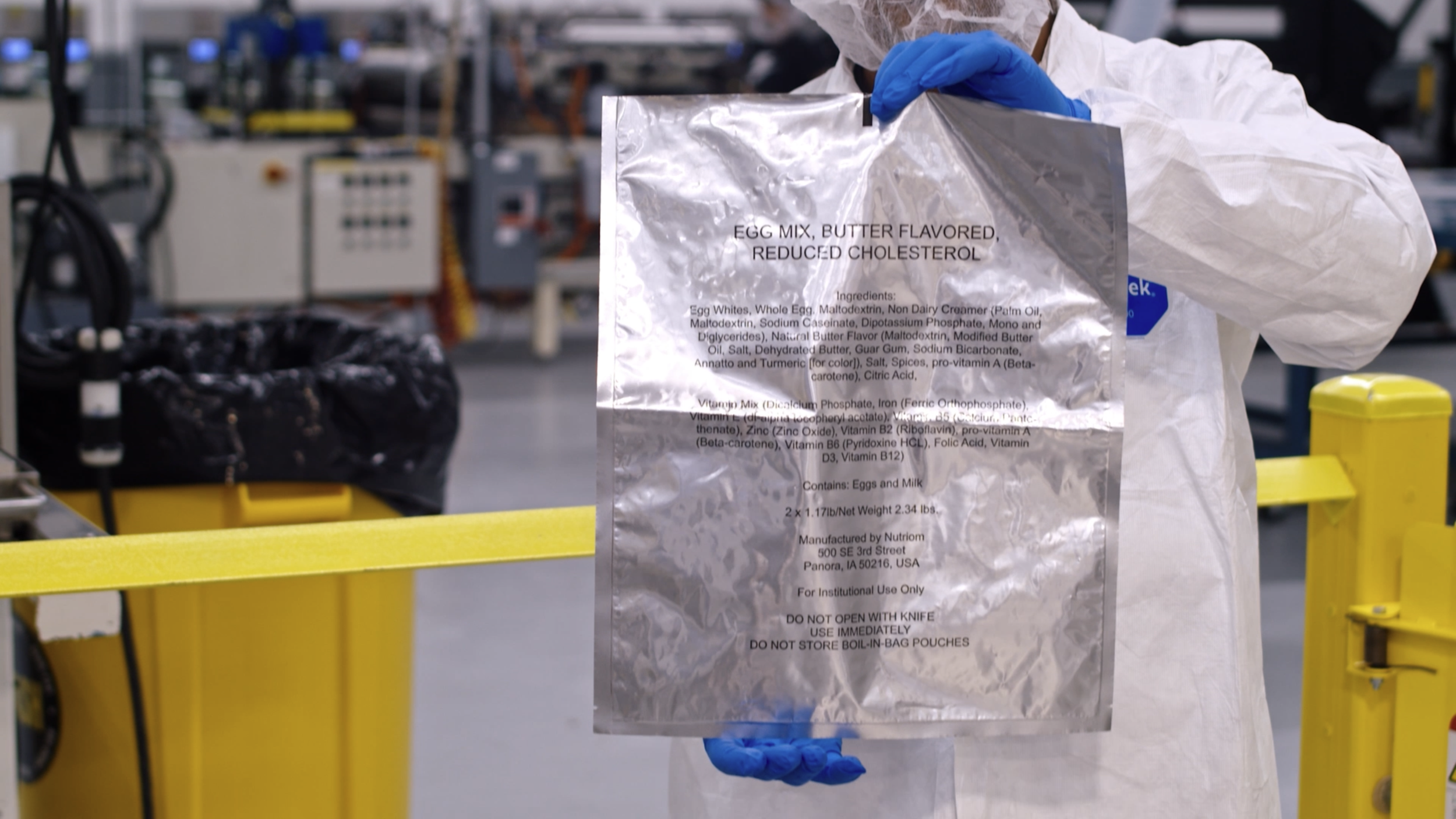
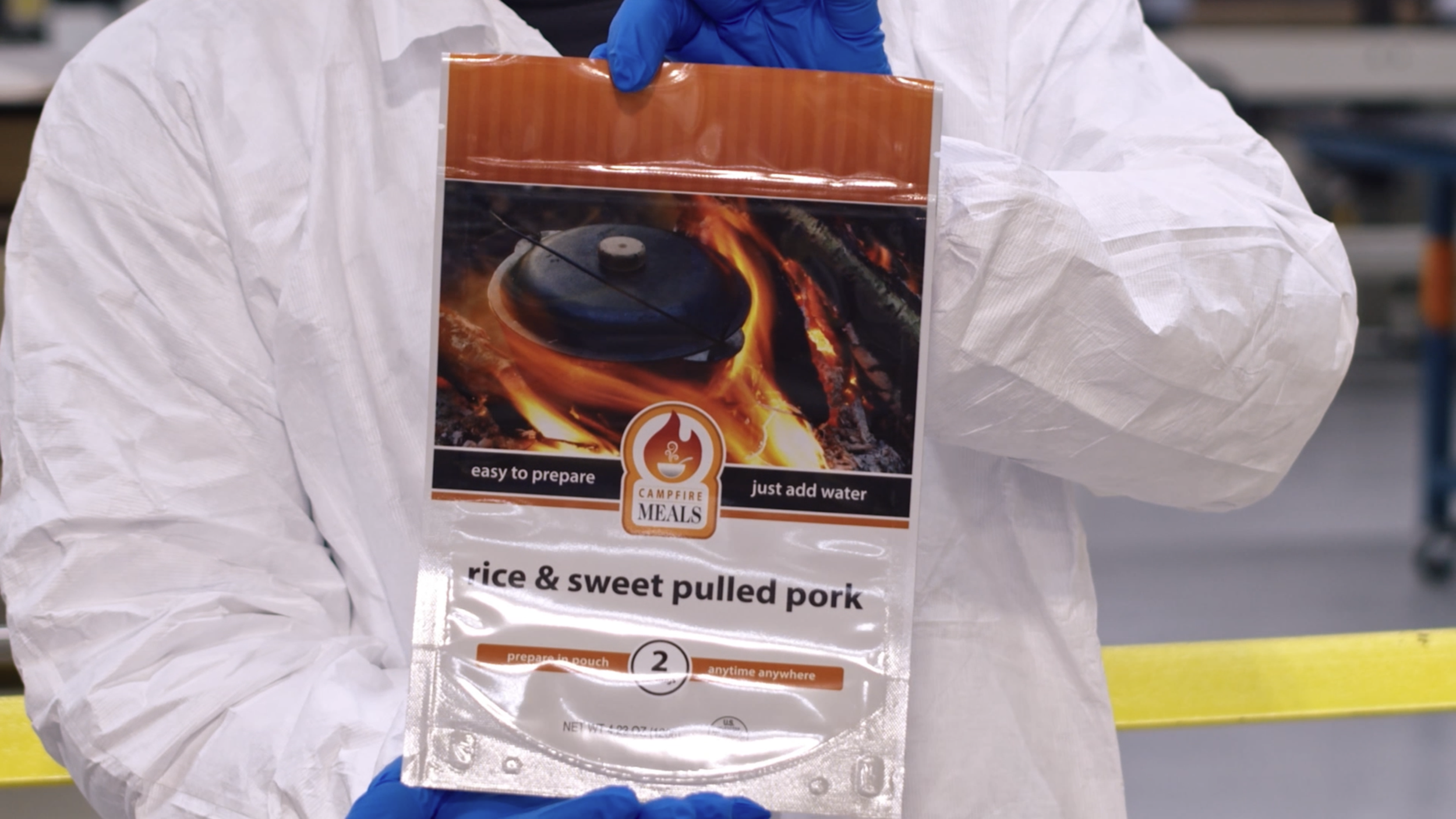
What matters isn’t the name of the material—it’s whether the packaging is designed to protect against the specific risks your product faces.
The Most Important Question in Packaging
When someone asks for Mylar bags, there’s one question that matters more than anything else:
“What’s going inside the bag?”
The answer to that question determines everything that follows. Once you understand the product, you can identify what it needs protection from—whether that’s moisture, oxygen, light, or other environmental factors. From there, the right material structure can be designed to meet those needs.
Without that context, choosing a material is just guesswork.
Where Mylar Fits (and Where It Doesn’t)
To be clear, bags made from polyester film, true Mylar, does exist. But they’re typically used in niche applications like archival storage and often require very high heat to seal. That makes them impractical for most common packaging uses.
In reality, most flexible packaging today relies on layered material structures that are designed for performance, not just familiarity.
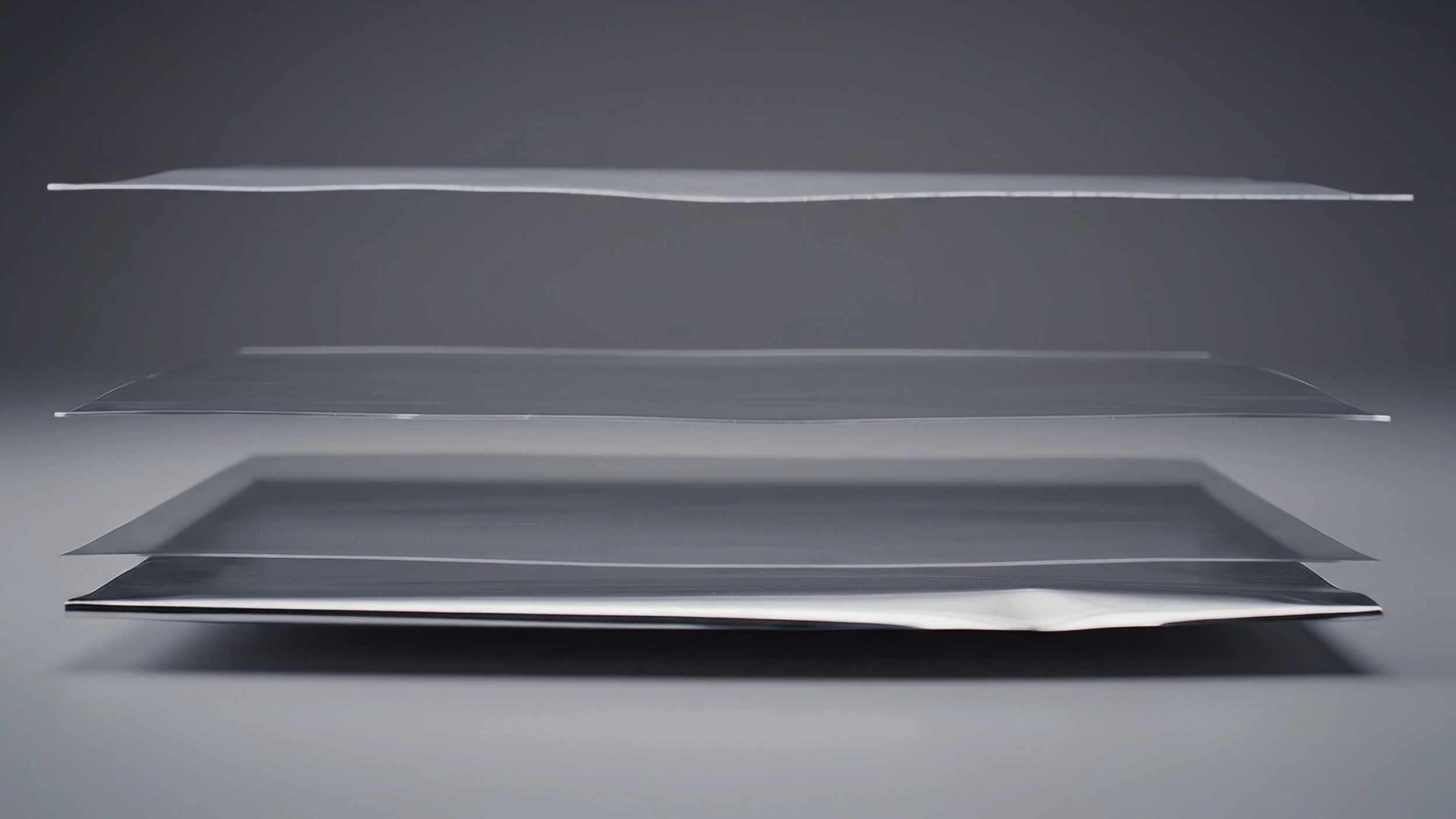
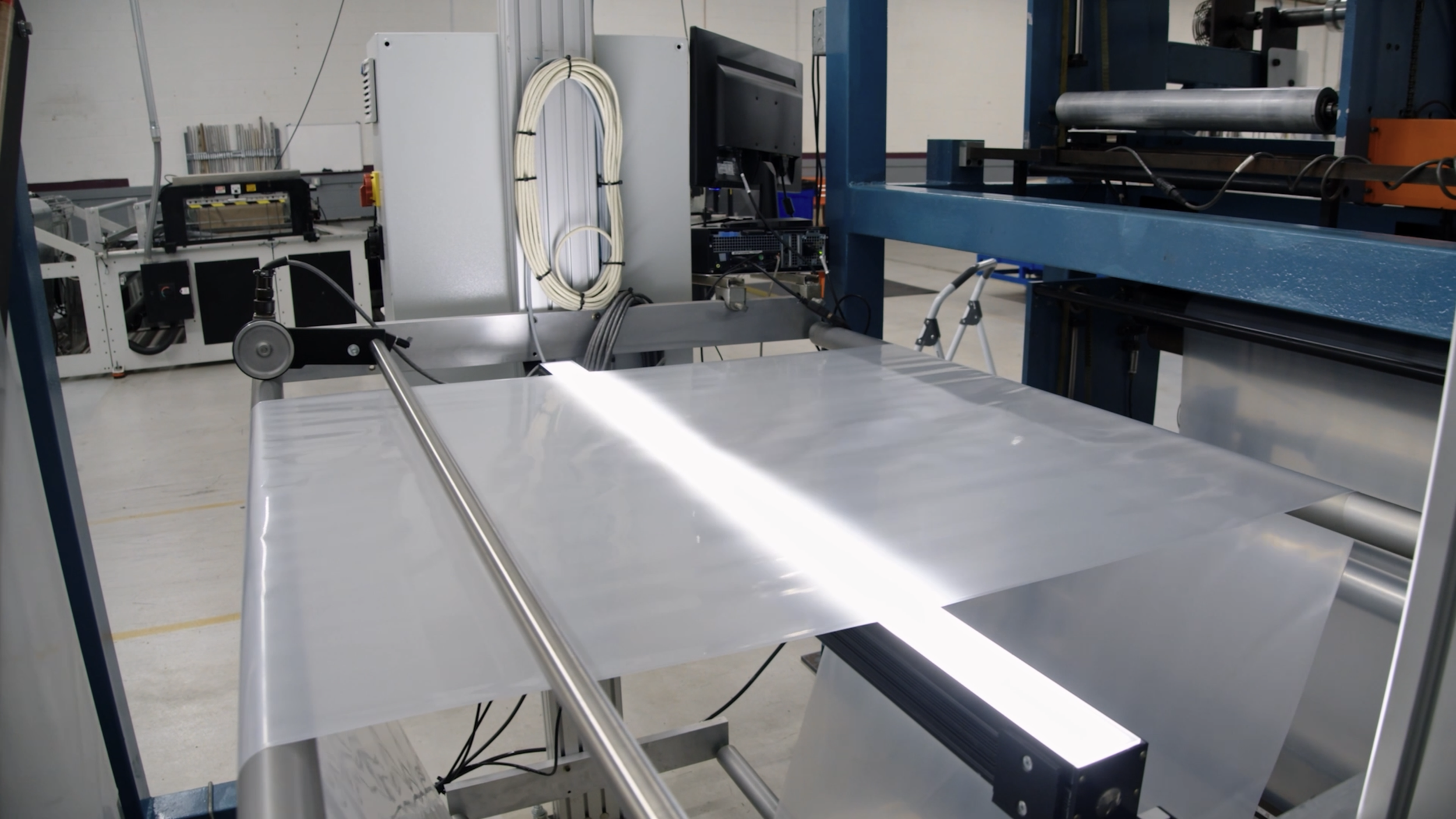
Modern solutions may include traditional laminations or newer technologies like co-extruded films, which can sometimes deliver the same level of protection at a lower cost. In many cases, these alternatives offer a better balance of durability, barrier performance, and efficiency.
It’s Not About the Material Name
The goal of packaging isn’t to select a name, it’s to protect a product.
When you focus on the name “Mylar,” you risk choosing a material that may not be necessary—or worse, one that doesn’t perform the way you need it to. But when you start with the product and work outward, you can build a packaging solution that’s tailored, efficient, and effective.
A better approach looks like this:
Start with the product inside
Identify the risks (moisture, oxygen, light, contaminants, etc.)
Determine performance requirements
Design the right material structure
That process leads to better outcomes—both in performance and cost.
A Smarter Way to Think About Packaging
So, when you hear someone ask for Mylar bags, it’s worth pausing for a moment. Like Kleenex, the term has evolved beyond its original meaning. It’s no longer just a material, it’s a placeholder for a need.
And that need is almost always the same: protecting what’s inside.
At Heritage Packaging, that’s where the conversation starts. Not with a material, but with a question. Because once you understand the product, you can design the packaging around what actually matters—performance, protection, and long-term success.